


Crushers play a pivotal role in mining, construction and aggregate processing. Understanding the three primary types helps select the optimal equipment for specific projects. Each type boasts unique structures and performance characteristics to handle diverse materials and particle size requirements.
Jaw crushers stand as the workhorse in primary crushing. They utilize a fixed jaw and a movable jaw to exert compressive force on materials. This design enables efficient crushing of hard and abrasive ores, rocks and minerals. Jaw crushers deliver stable operation, simple maintenance and high crushing ratio, making them ideal for initial size reduction in quarries and mines.
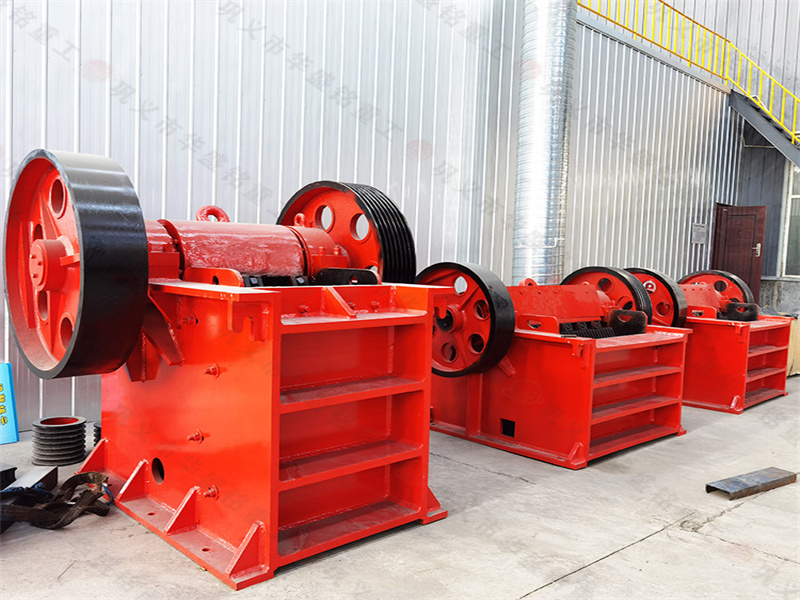
jaw crusher
Impact crushers excel in secondary and tertiary crushing. They crush materials through the impact force generated by high-speed rotating hammers. These crushers produce cubical end products with good grain shape, suitable for highway, railway and building construction. They handle medium-hard materials effectively and offer adjustable discharge sizes to meet varied application demands.
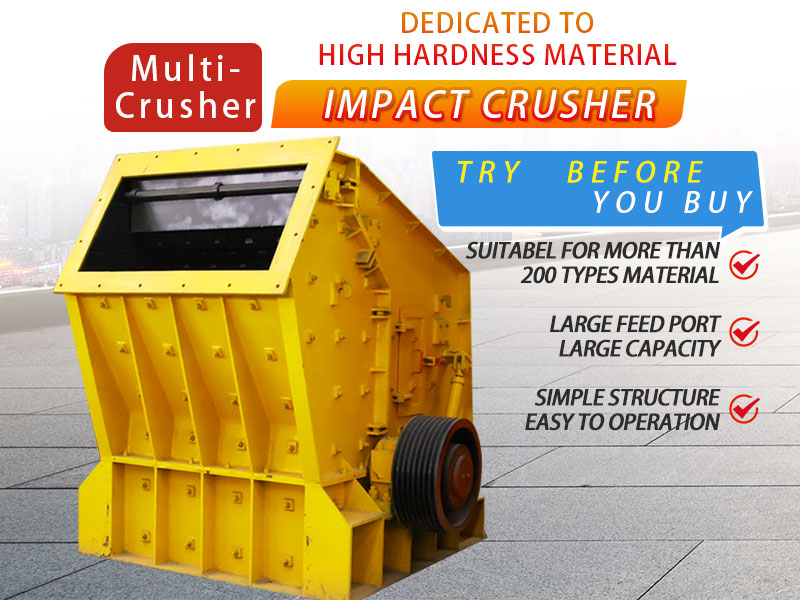
Impact crusher
Roll crushers rely on two counter-rotating rolls to crush materials by extrusion and shear. They are widely used for fine crushing of soft to medium-hard materials such as coal, limestone and gypsum. Roll crushers feature low noise, low energy consumption and uniform product granularity, fitting scenarios requiring precise particle size control.
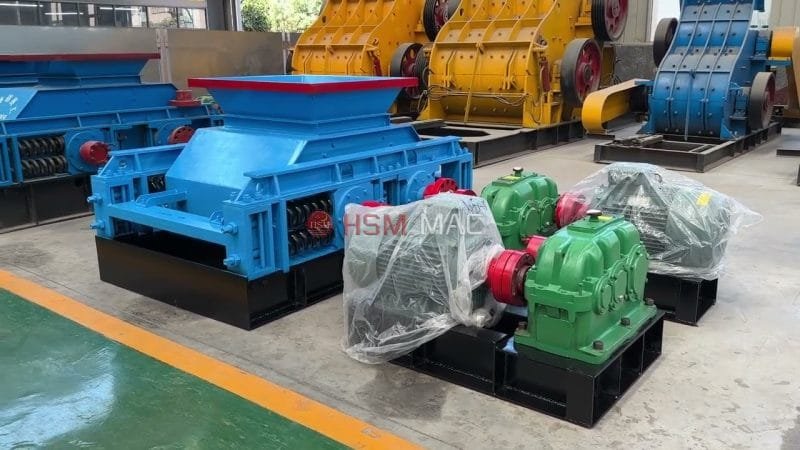
roller crusher
Choose the right crusher type based on material properties, output requirements and end-product standards to maximize processing efficiency and reduce operational costs.