


How to Select the Right Model for a Double-Roll Crusher
🏷️ Decoding Model Names (e.g., 2PGY-1000×800)
- 2PG: Double-roll crusher
- Y / T: Adjustment system (Y = Hydraulic type; T = Spring type)
- 1000: Roller shell diameter in mm (determines maximum feed size)
- 800: Roller shell width in mm (determines production capacity)
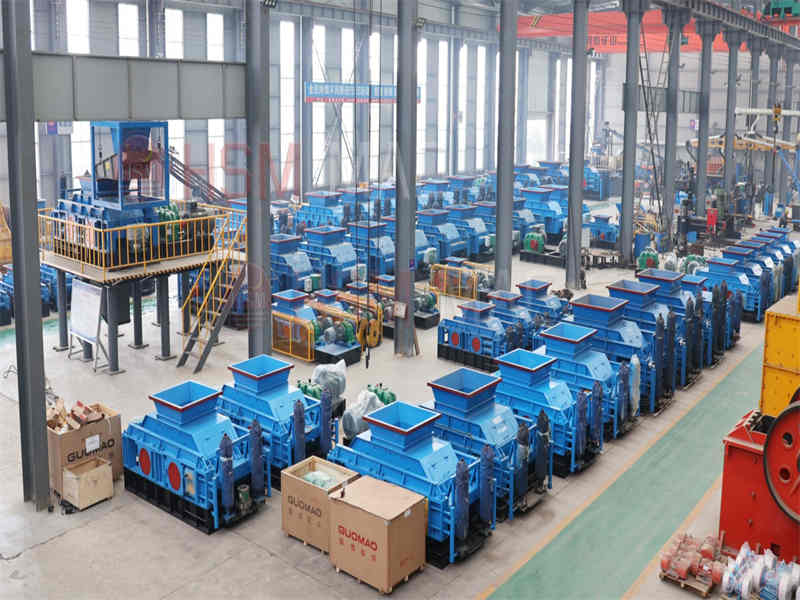
Figure 1: Smooth-roll for fine sand-making vs. Toothed-roll for coarse primary crushing
Step 1: Confirm Roller Surface Type & Mechanism
① Smooth-Roll Crusher (2PGT / 2PGY)

Smooth-Roll Crusher
The preferred choice for manufactured sand and small aggregate (discharge size 1–20 mm) using quartz stone, cobblestone, weathered sand, and granite.
- Spring-Type (2PGT): Low-cost solution best suited for small-scale operations and low-abrasion materials.
- Hydraulic-Type (2PGY): Mainstream option for industrial sand-and-gravel production lines. Features automatic yielding protection with pressure relief for tramp iron/uncrushable objects, extending roller shell service life.
② Toothed-Roll Crusher
Designed for primary crushing of large-size feed materials such as limestone, construction waste, and coal. Handles large rock lumps directly and produces coarse output (10–100 mm) with low fines generation (not suitable for fine sand production).

Double Toothed Roller Crusher
Figure 1: Smooth-roll for fine sand-making vs. Toothed-roll for coarse primary crushing
Step 2: Check Key Operational Parameters
Below are standard specifications for HSM smooth-roll sand-making models:
| Model | Roller Dim. (Dia. × Width) | Max Feed Size | Hourly Output | Application Scenario |
|---|---|---|---|---|
| 2PGT400×250 | 400 × 250 mm | ≤ 25 mm | 2–10 t/h | Lab tests, small-batch trial production |
| 2PGT800×600 | 800 × 600 mm | ≤ 40 mm | 12–50 t/h | Small-to-medium sand plant (20–40 t/h target) |
| 2PGY1000×800 | 1000 × 800 mm | ≤ 40 mm | 50–80 t/h | Mainstream line for quartz / cobblestone sand |
| 2PGY1200×1000 | 1200 × 1000 mm | ≤ 60 mm | 100–120 t/h | Medium-to-large aggregate plant |
| 2PGY1500×1000 | 1500 × 1000 mm | ≤ 80 mm | 150–200 t/h | Large-scale production line (feed up to 80 mm) |

the workshop
Figure 2: Hydraulic double-roll unit integrated into a aggregate processing plant
Step 3: Practical Selection Logic
- Material Hardness:• High Hardness (Quartz, Granite, Basalt): Prioritize hydraulic models with thickened, wear-resistant roller shells. Reduce feed size to minimize wear.• Soft Material (Limestone, Weathered Sand): Both spring-type and hydraulic-type are acceptable.
- Feed Stone Size:• If feed > 40 mm, avoid small-diameter smooth rolls. Add an upstream jaw crusher for pre-crushing, select a large-diameter hydraulic double-roll crusher, or switch to a toothed-roll crusher.
- Discharge Requirements & Throughput:• Fine Sand (1–5 mm): Narrow gap lowers actual throughput. (Note: Real-world output for fine sand is 30–50% lower than catalogue parameters).• Aggregate (5–20 mm): Widen gap to achieve higher production output.
⚡ Quick Selection Examples
Example 1: Cobblestone | Feed ≤ 40 mm | Target output: 50–70 t/h fine sand (2–5 mm)
👉 Selection: 2PGY1000×800 Hydraulic Double-Roll Crusher
Example 2: Weathered sand | Feed ≤ 25 mm | Target output: 10–20 t/h
👉 Selection: 2PGT800×600 Spring-Type Crusher
Example 3: Limestone | Large feed 150–250 mm | No fine sand requirement
👉 Selection: Toothed-Roll Crusher
📌 Important Technical Notes
- Double-roll crushers are designated for medium and fine crushing. They cannot process run-of-mine large rocks directly without primary crushers (jaw or cone) upstream.
- For high-hardness rocks, opt for high-chromium alloy roller shells to maximize service life and reduce maintenance downtime.