


In mineral processing, construction waste recycling, and aggregate production, roll crushers are reliable for medium-hard and brittle materials (crushing via rotating roll extrusion). Below are 3 Common Types of Roll Crushers: hydraulic, spring, and double tooth roller crushers—their key features and applications.
1. Hydraulic Roller Crusher: High Stability & Intelligent Protection
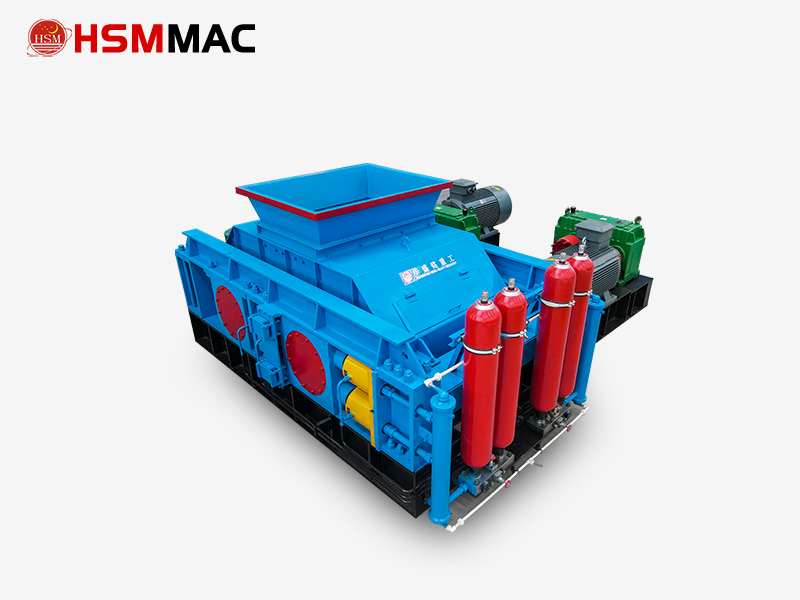
hydraulic double roller crusher
As an upgraded model, the hydraulic roller crusher features an advanced hydraulic system, ideal for large-scale, high-automation production lines.
Its core advantage is the hydraulic adjustment and protection system: when uncrushable impurities (e.g., metal blocks) enter, rolls retract automatically to expel them, then reset quickly. This “self-protection” cuts maintenance costs and downtime.
It also adjusts roll gaps precisely for consistent finished products, widely used for coal, limestone, granite, etc., in large power plants, cement plants, and mines.
2. Spring Roller Crusher: Classic Design & Cost-Effectiveness
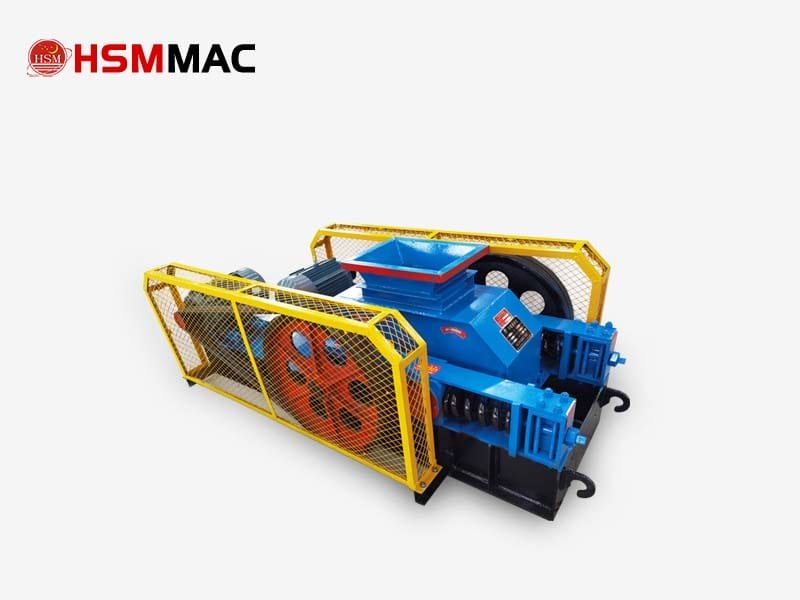
spring roller crusher
This classic model has a simple structure, mature tech, and low cost, widely used in small-to-medium lines. Its core is the spring protection device.
Like the hydraulic type, it protects against hard impurities (springs compress to expand roll gaps), but relies on manual adjustment and is slower—suitable for low-automation small-scale production.
It also boasts easy maintenance (few wear parts, simple part replacement), ideal for small enterprises processing coal, clay, shale—e.g., small brick factories and coal yards.
3. Double Tooth Roller Crusher: Excellent for Coarse Crushing & Shaping
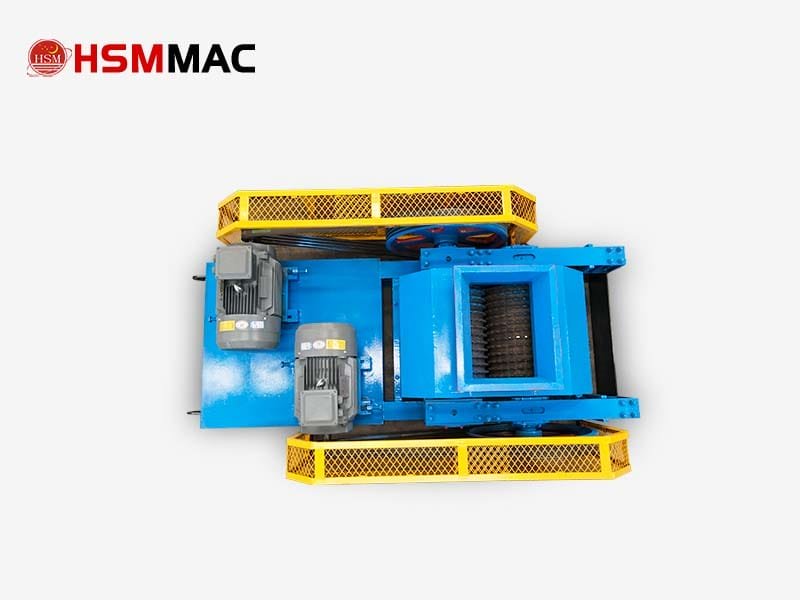
Double-Tooth Roll Crusher
Unlike smooth-roll models, it has specially toothed rolls, designed for coarse/medium crushing. It tears and extrudes materials, excelling at high-viscosity, large-particle materials.
Its biggest feature is excellent coarse crushing (handles raw materials up to hundreds of mm, replacing jaw crushers in some cases) and uniform product shaping.
Note: It’s unsuitable for hard, wear-resistant materials (tooth tips wear easily). Used for coal, coke, limestone, and construction waste in mines, coking plants, and recycling stations.
How to Choose the Right Roll Crusher?
Not sure which to choose? Here are key suggestions based on your needs:
Large-scale, high-automation production with strict requirements: Choose hydraulic roller crusher.
Small-to-medium enterprise with limited budget: Choose spring roller crusher (cost-effective, easy to maintain).
Coarse crushing of large-particle, high-viscosity materials: Choose double tooth roller crusher.
Each type has unique advantages. Choose based on raw materials, production scale, and finished product needs to boost efficiency and cut costs. Leave a comment for more specs and quotes!