


Efficient raw coal crushing is a vital first step in coal mining and processing. Among various crushing equipment, jaw crushers have long been irreplaceable due to their stable performance, strong adaptability, and simple structure. Let’s take a concise look at this “workhorse” for coal crushing.
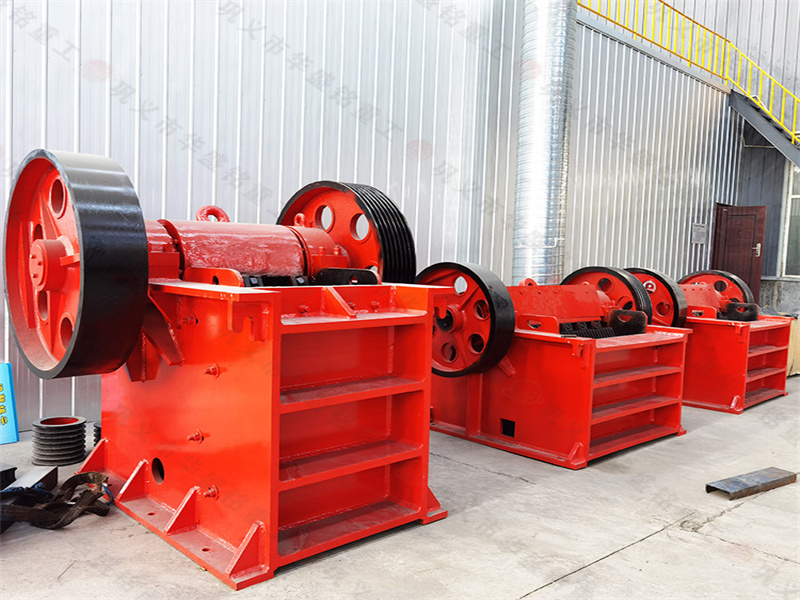
jaw crusher
1. What Is a Jaw Crusher & Its Working Principle for Coal?
Jaw crushers crush materials by the periodic movement of the movable jaw plate relative to the fixed one. For coal crushing, their working process is simple yet efficient.
Raw coal (including large irregular lumps) is fed into the V-shaped crushing cavity (formed by fixed and movable jaw plates). Driven by the eccentric shaft, the movable jaw swings reciprocally: it squeezes coal when moving toward the fixed jaw, and qualified crushed coal falls from the discharge port by gravity when swinging away. Unqualified lumps stay for re-crushing.
A key advantage is their ability to handle large raw coal (up to several hundred millimeters), avoiding equipment blockage caused by oversized materials.
2. Why Jaw Crushers Are First-Choice for Coal Crushing?
There are various coal crushing equipment (e.g., cone crushers, impact crushers), but jaw crushers are preferred for primary coal crushing for the following reasons:
2.1 Strong Adaptability to Coal Quality
Coal quality varies (hardness, moisture, gangue content), but jaw crushers tolerate these well. Wear-resistant jaw plates (high-manganese/alloy steel) ensure stable operation even with small hard impurities.
2.2 High Efficiency & Stable Performance
With simple structure and few wearing parts, they operate reliably with low failure rates for long hours. Modern optimized designs (eccentric shaft, transmission) further boost efficiency to meet large-scale coal mine needs.
2.3 Easy Operation & Maintenance
Their simple structure makes operation easy to master. Wearing parts (e.g., jaw plates) are easy to replace, and daily maintenance (lubrication, cleaning) is simple, reducing time and cost.
2.4 Cost-Effective
They have lower purchase and manufacturing costs than other equipment, ideal for small-medium coal mines. Low energy consumption and maintenance costs further reduce overall operating expenses.
3. Key Maintenance Tips for Coal Jaw Crushers
Proper maintenance extends service life and ensures efficiency. Here are key tips:
Check jaw plate wear regularly: Replace severely worn plates to avoid affecting crushing effect and damaging other parts.
Maintain lubrication system: Regularly check oil level/quality and replace lubricant for rotating parts (eccentric shaft, bearings).
Clean equipment regularly: Remove coal dust accumulation on feed port, discharge port, and crushing cavity.
Avoid overloading: Strictly control feeding amount to keep operation within rated load range.
4. Future Trends of Coal Jaw Crushers
As the coal industry develops toward intelligence, greenization, and large-scale production, jaw crushers will evolve in three directions:
Intelligent operation: IoT, big data, and AI enable remote monitoring, fault prediction, and automatic parameter adjustment (feeding amount, discharge size).
Energy conservation & environmental protection: Optimized structure, energy-saving motors, and improved sealing reduce energy consumption and control coal dust emission.
Large-scale & high-efficiency: Larger specifications and higher efficiency to meet the needs of large-scale coal processing lines.
In short, jaw crushers are trusted in coal crushing for their unique advantages. With technological progress, they will play a more critical role in the coal industry.
Have questions about coal jaw crushers or need technical advice? Leave a comment below, and we’ll reply soon!