


In material processing, efficiency, precision, and durability are critical. Four-roll crushers stand out for medium-to-fine crushing, delivering consistent results across mining, construction, cement production, and recycling. Here’s why they’re a top choice for modern lines.
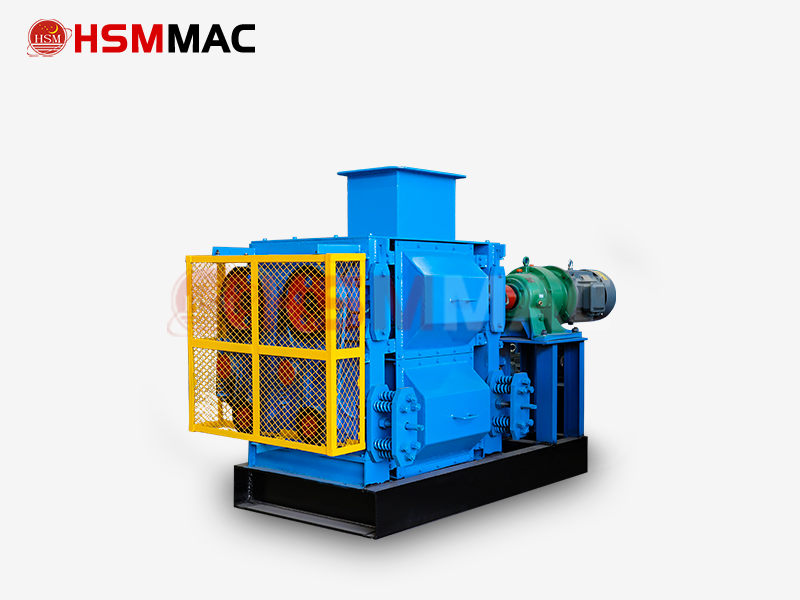
Four-Roll Crusher
Core Advantages
Dual-Stage Crushing
Energy-Efficient Performance
Durable & Low-Maintenance
Industry Versatility
Mining: Ore & coal crushing
Construction: Concrete/asphalt recycling
Cement/Aggregates: Fine aggregate production
Chemical/Fertilizer: Limestone/gypsum processing
How It Works (4 Simple Steps)
Feed: Raw materials enter via a hopper (vibrating feeder for uniformity).
Primary Crush: First roll pair (serrated/smooth) reduces large materials.
Secondary Crush: Second pair (tighter gap/higher speed) refines to target size.
Discharge: Ready-to-use final product exits the crusher.
Key Selection Tips
Material Properties: Match roll type (serrated/smooth) to hardness/moisture/feed size.
Output Needs: Adjust gaps/speed for desired particle distribution.
Capacity: Align with production line requirements.
Maintenance: Choose models with easy access + reliable after-sales support.